
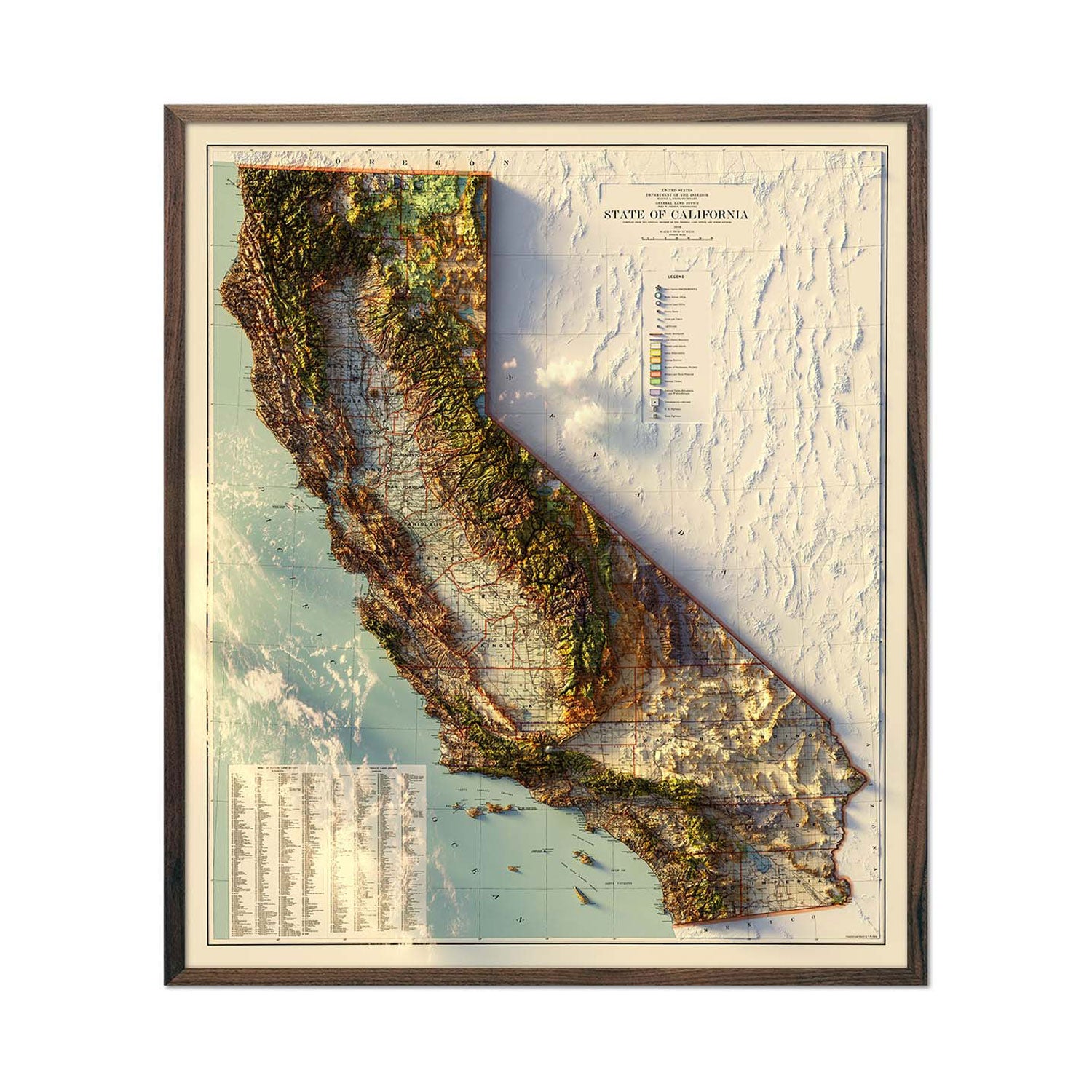
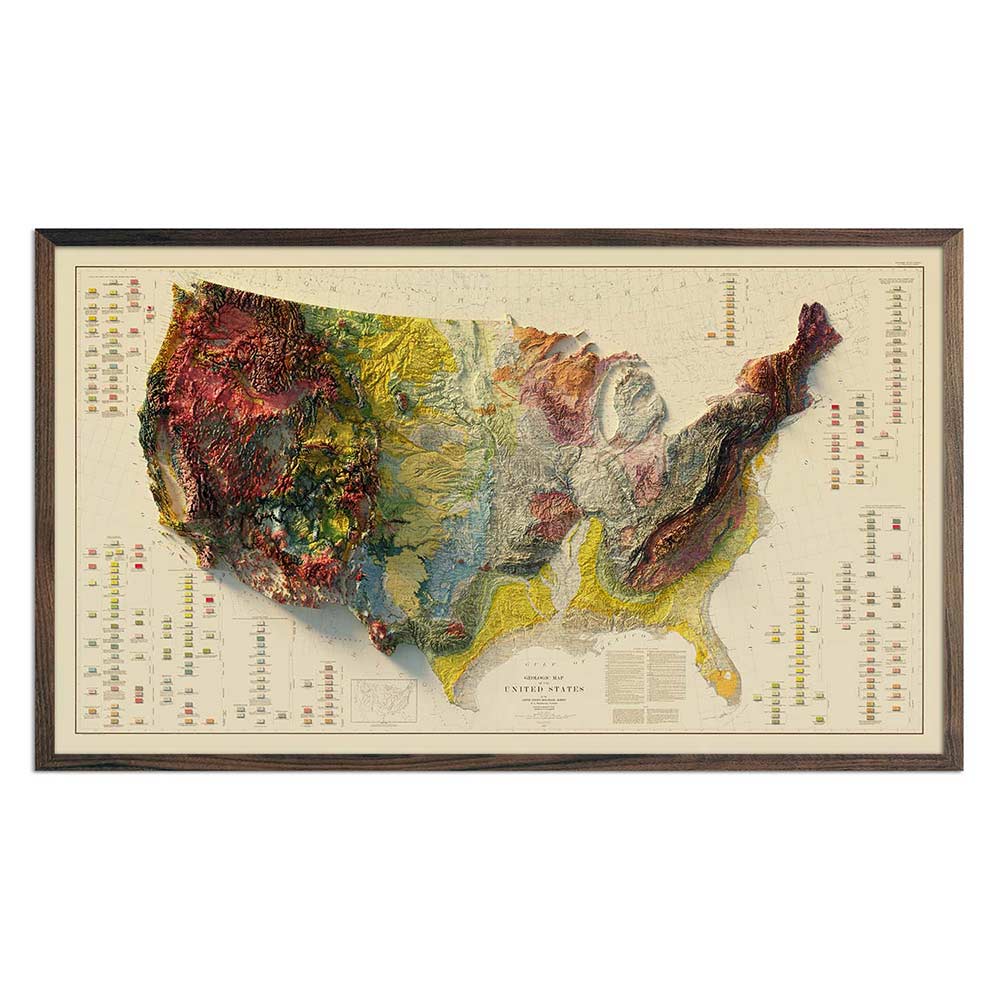


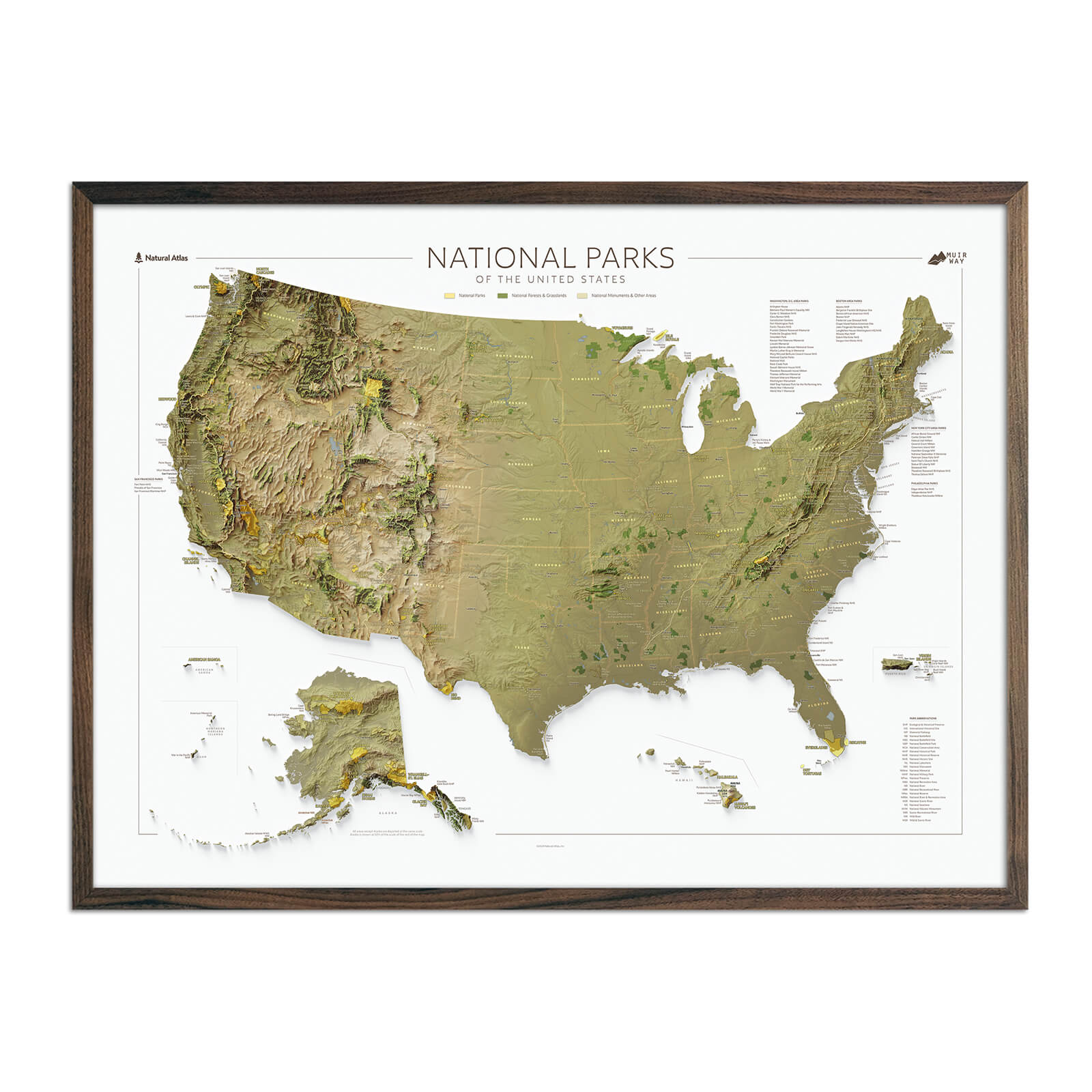
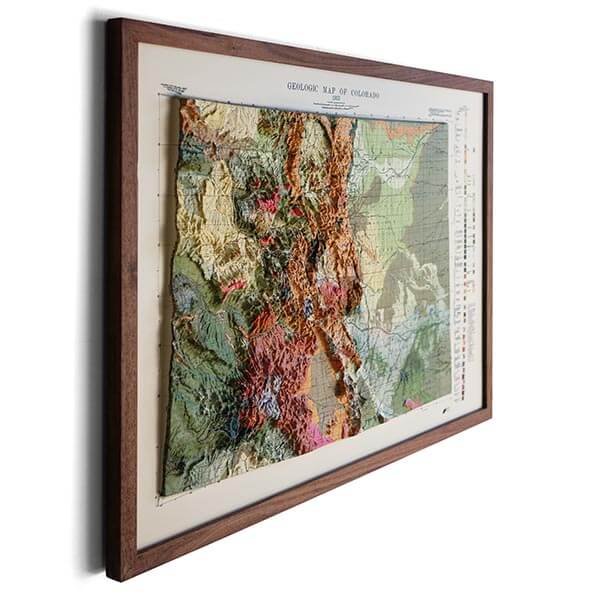
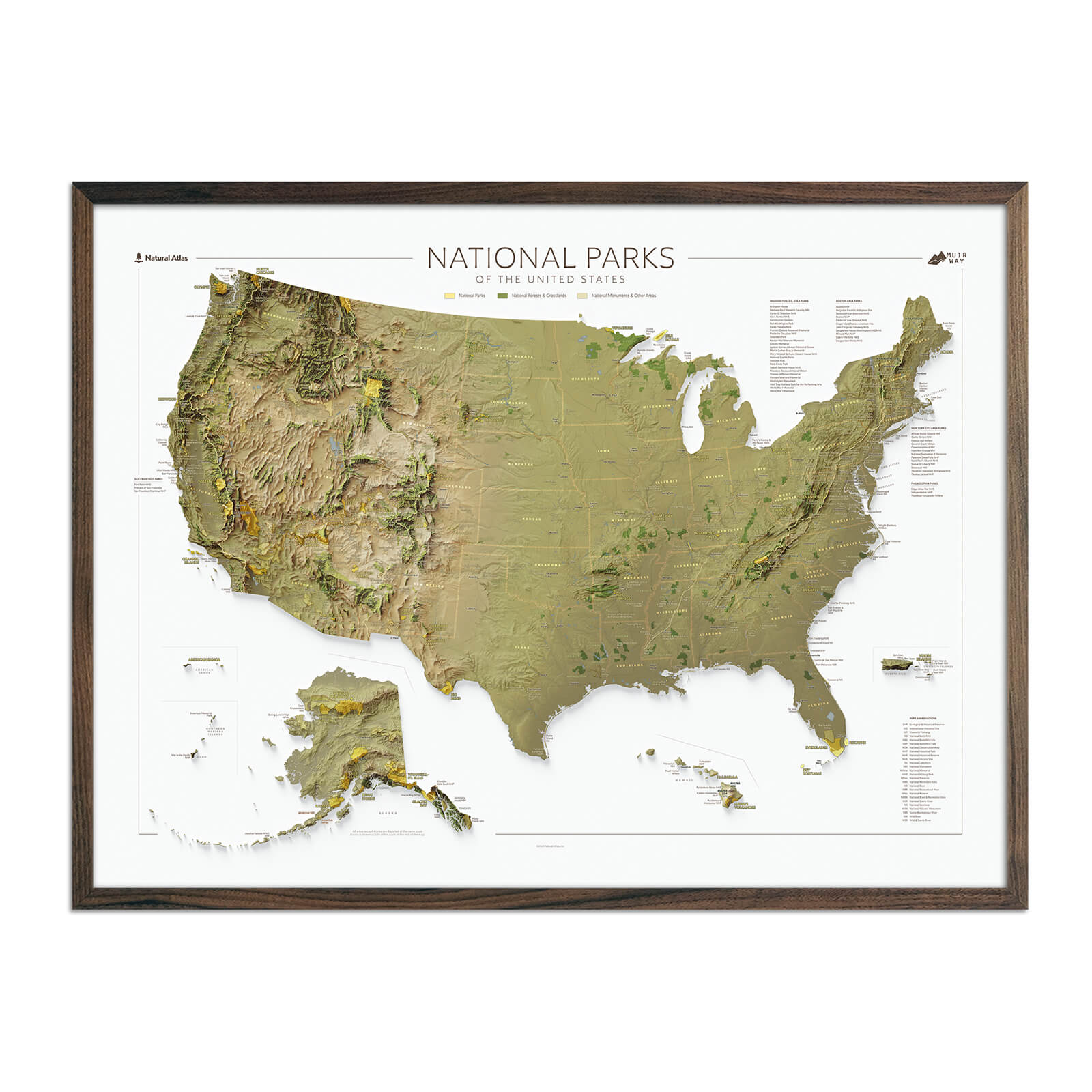

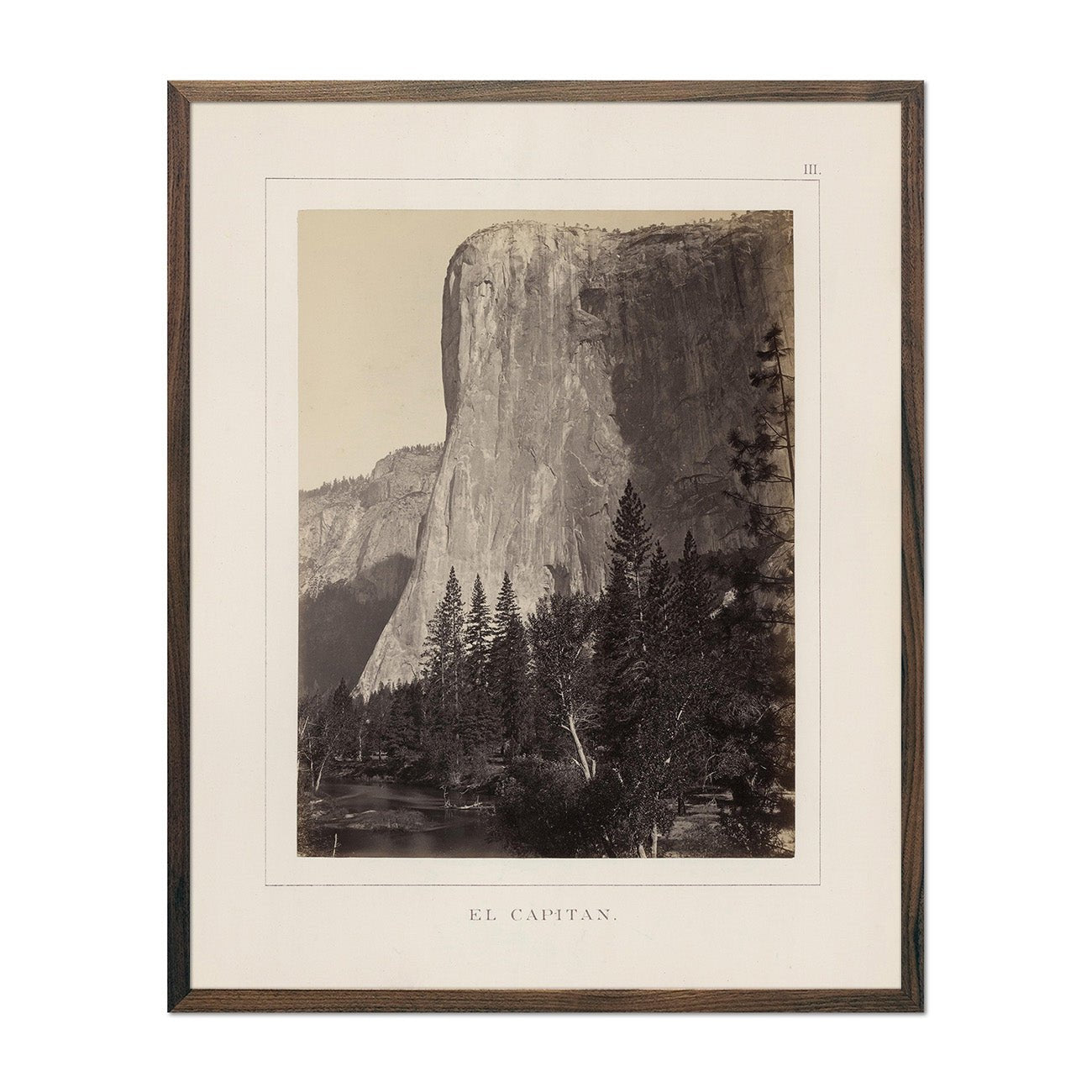
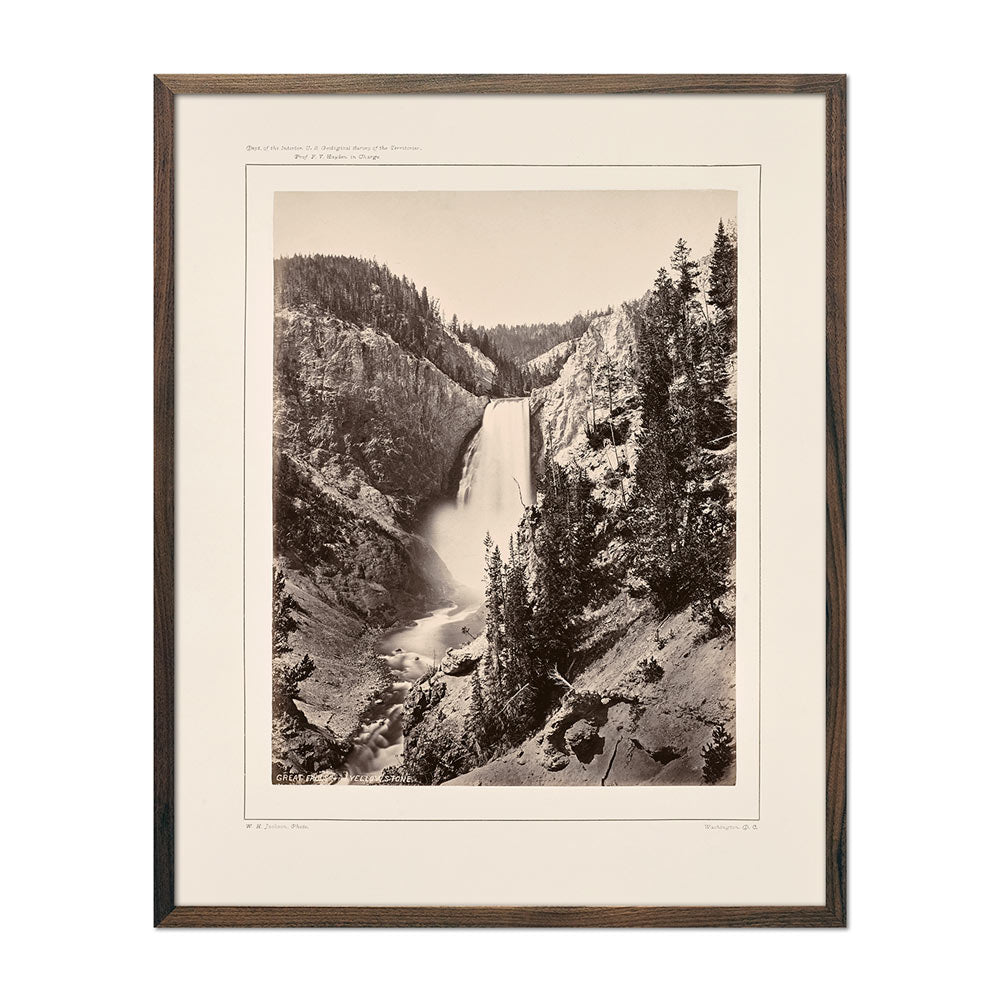
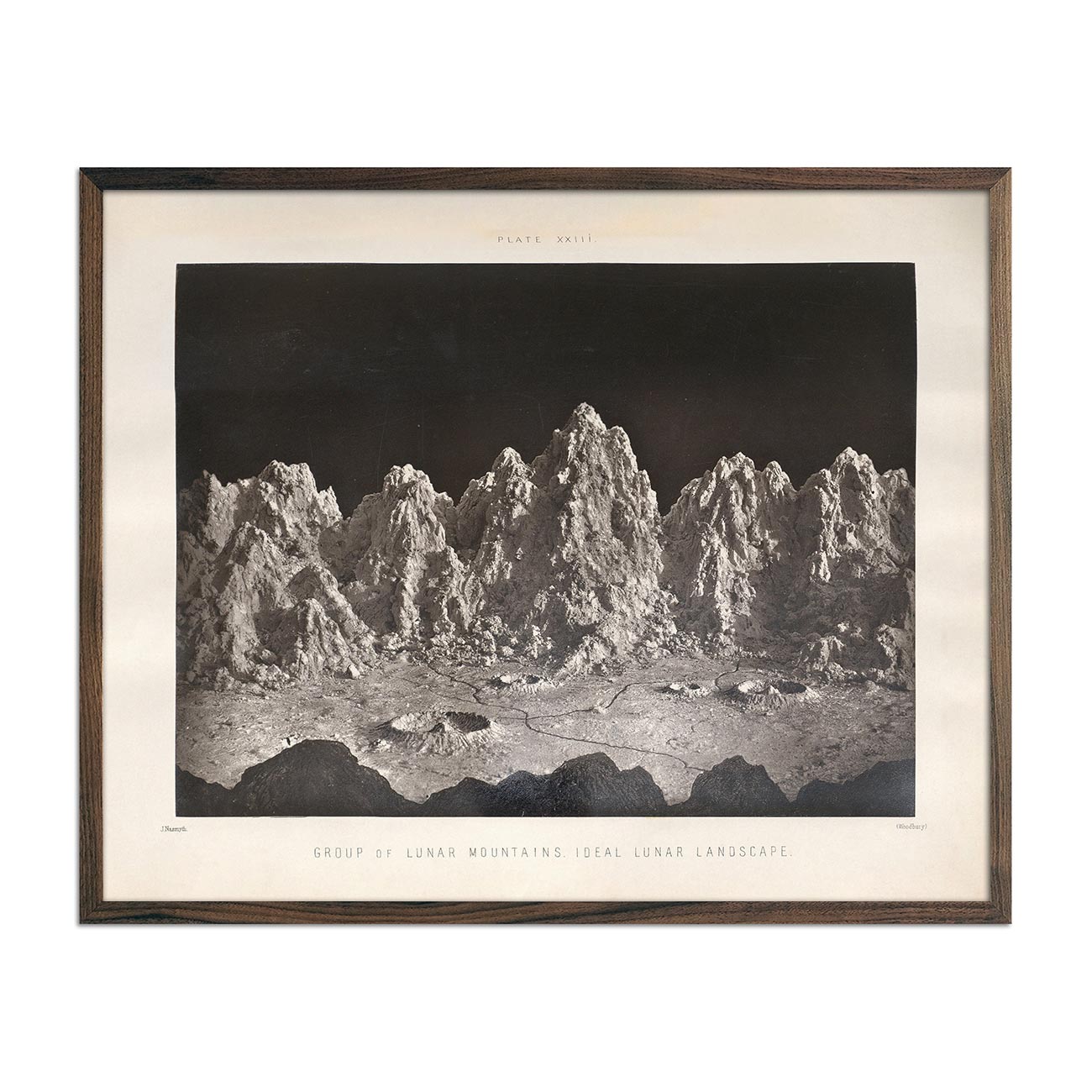
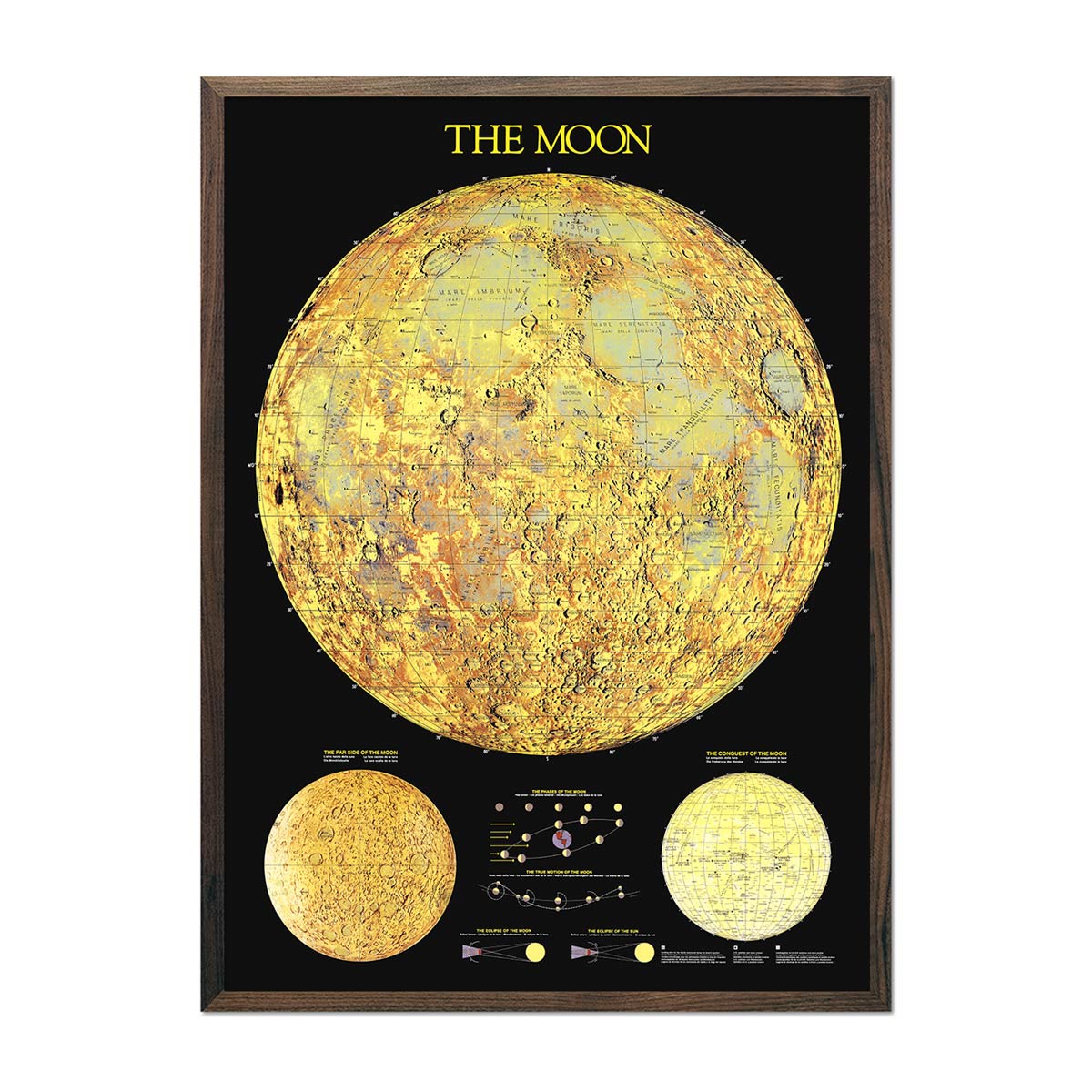
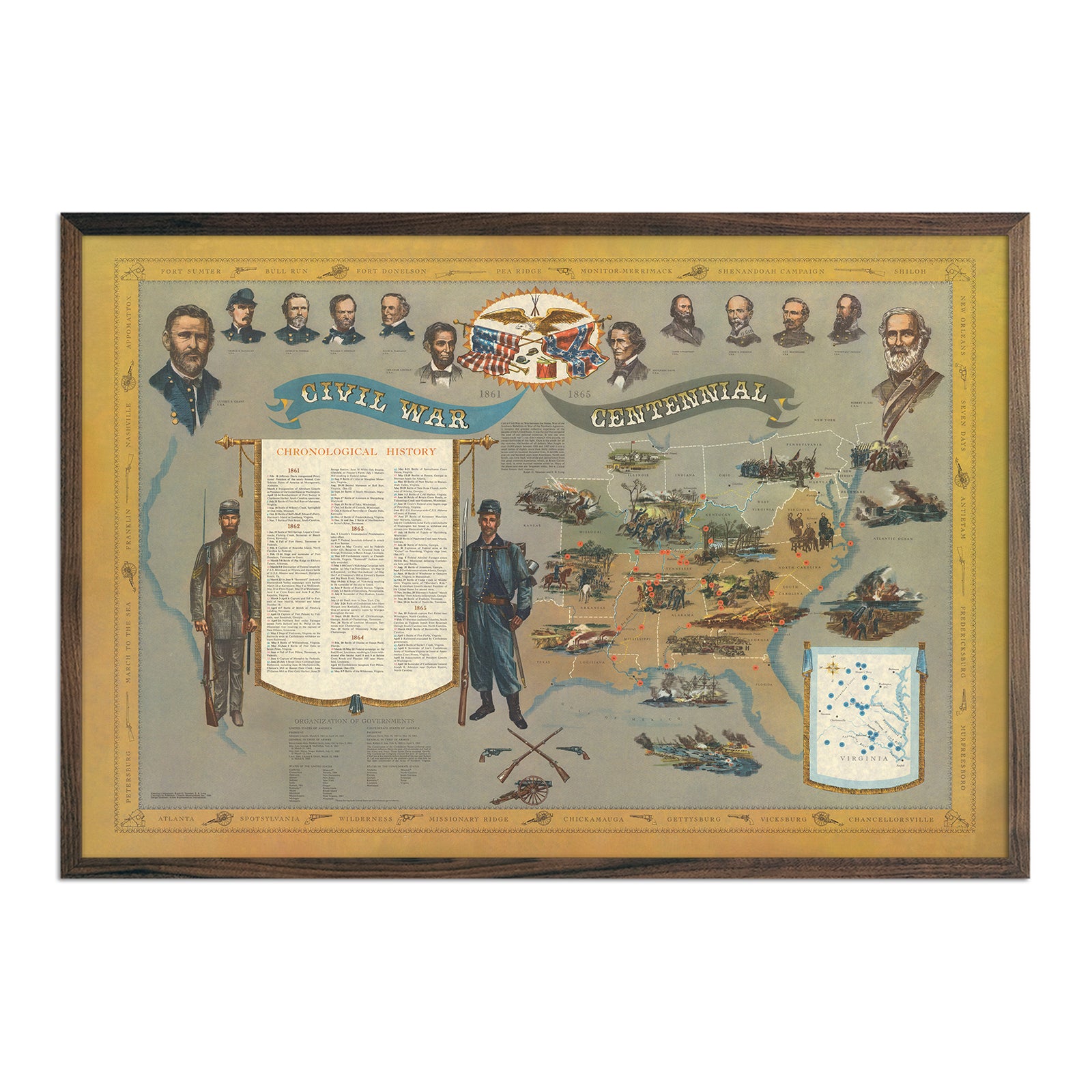
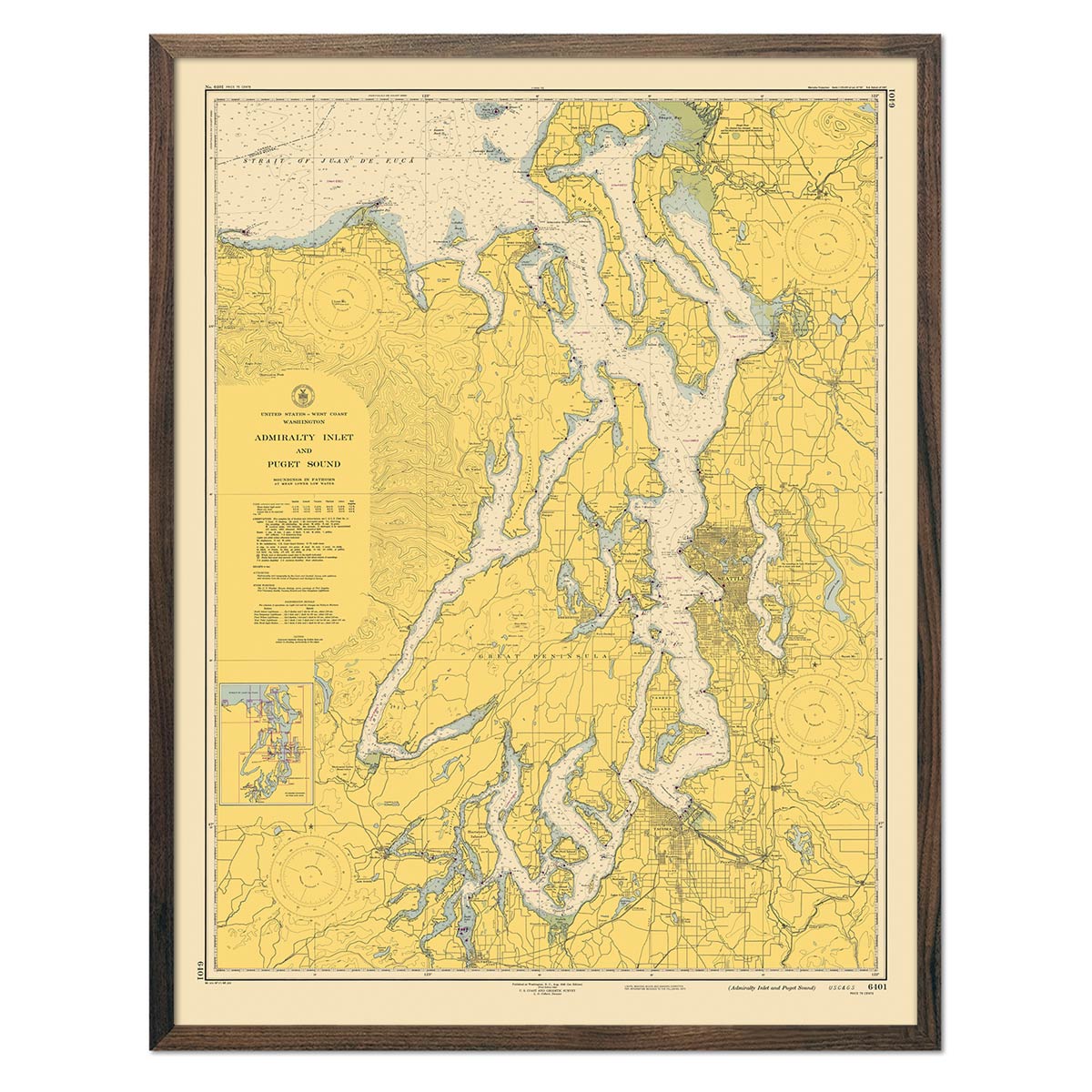
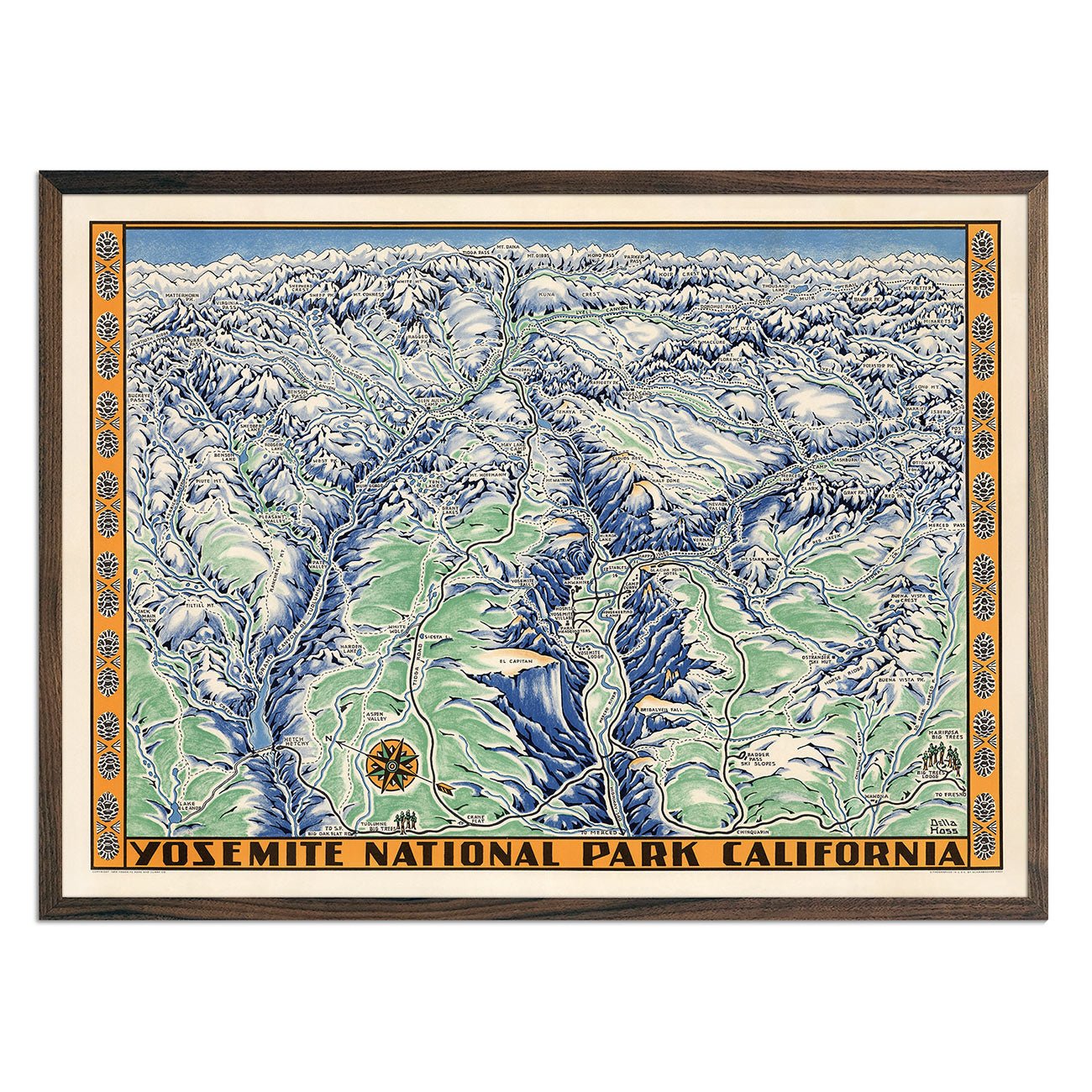
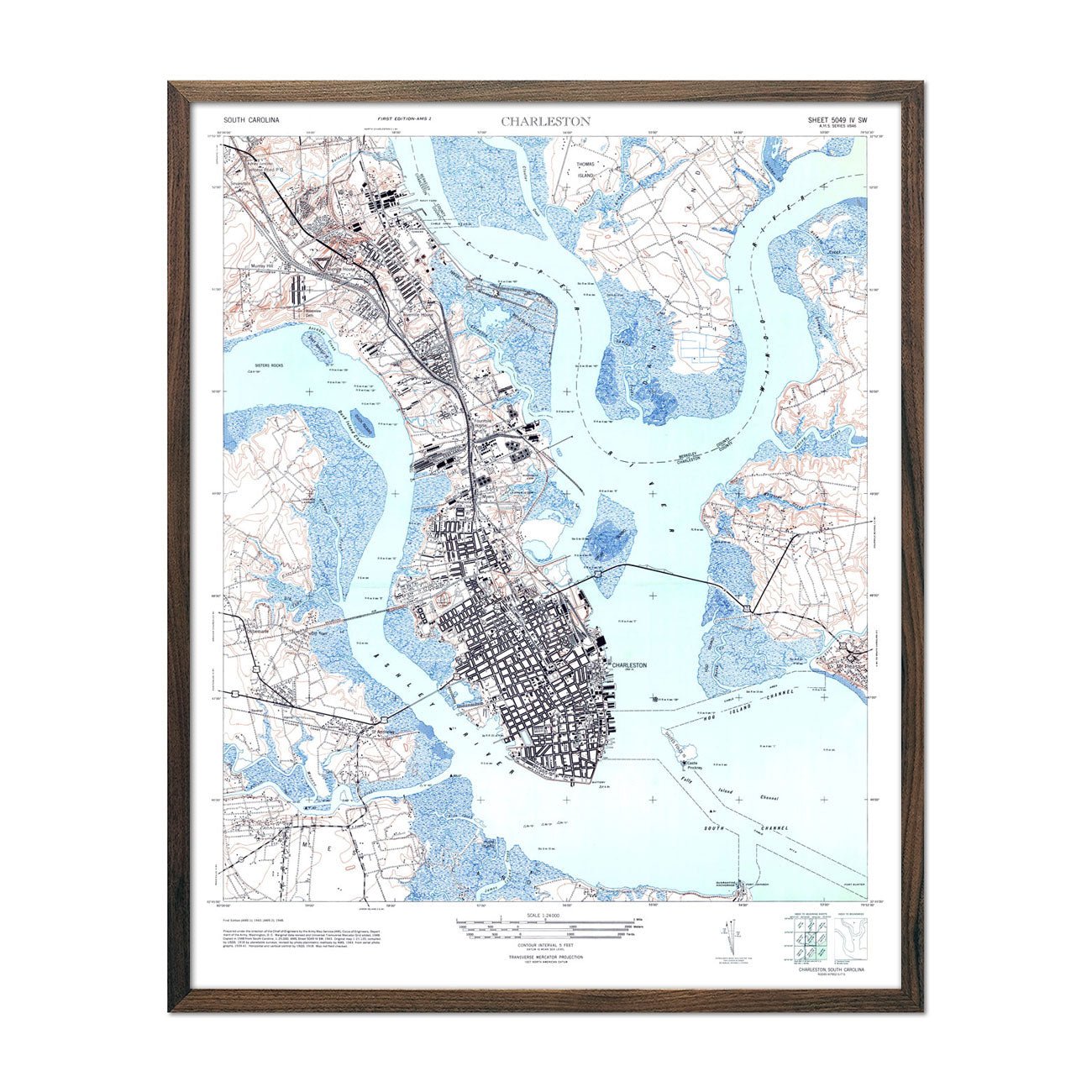
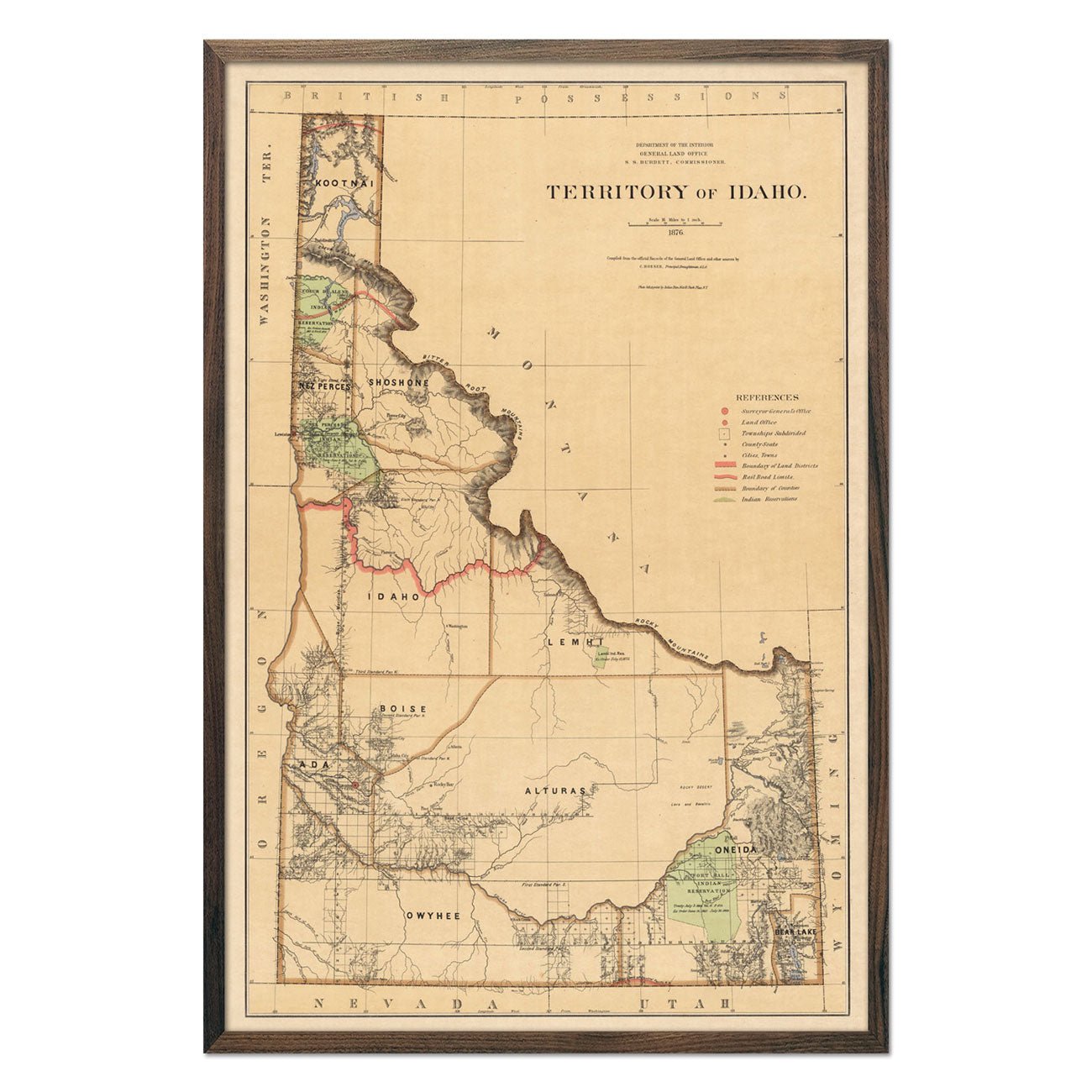
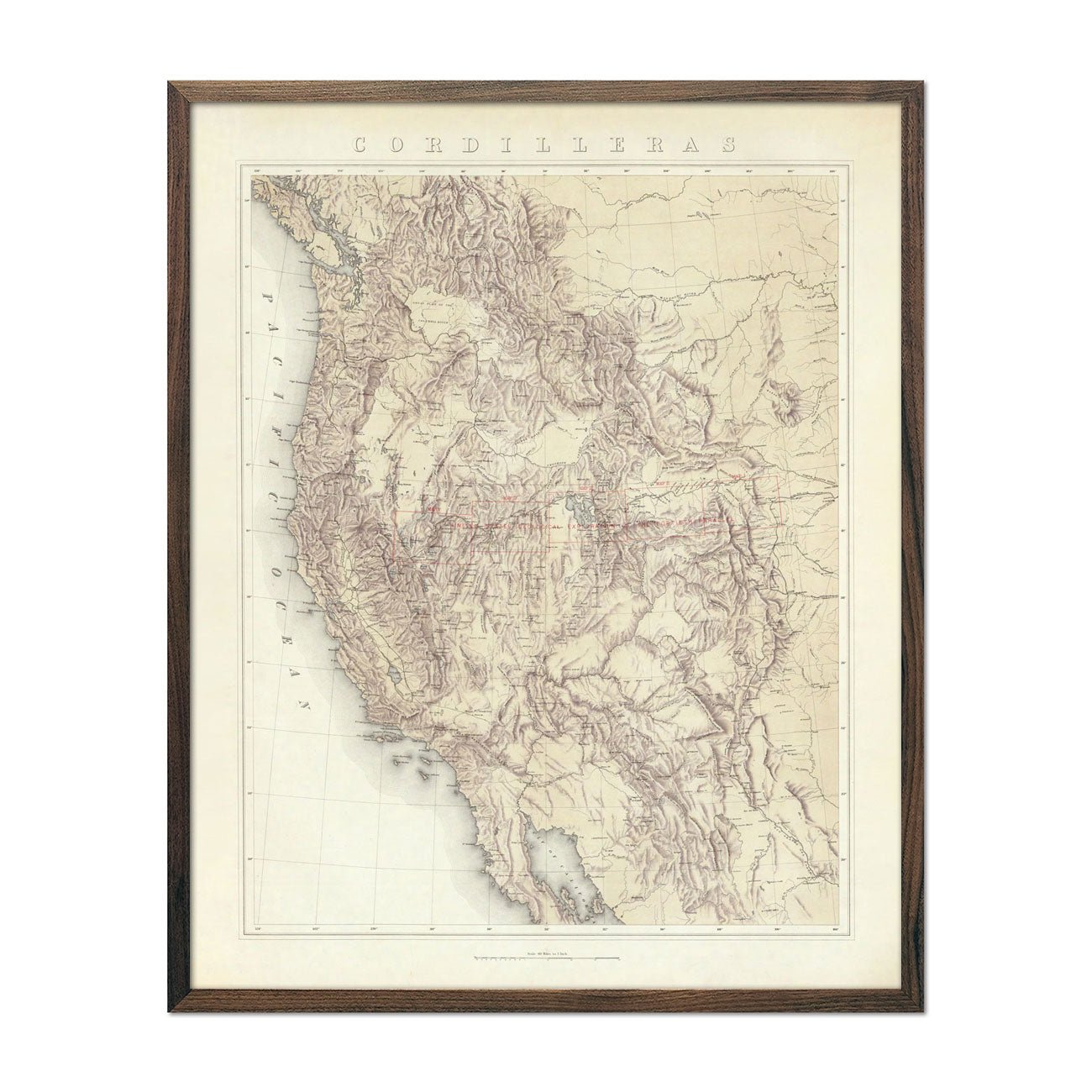
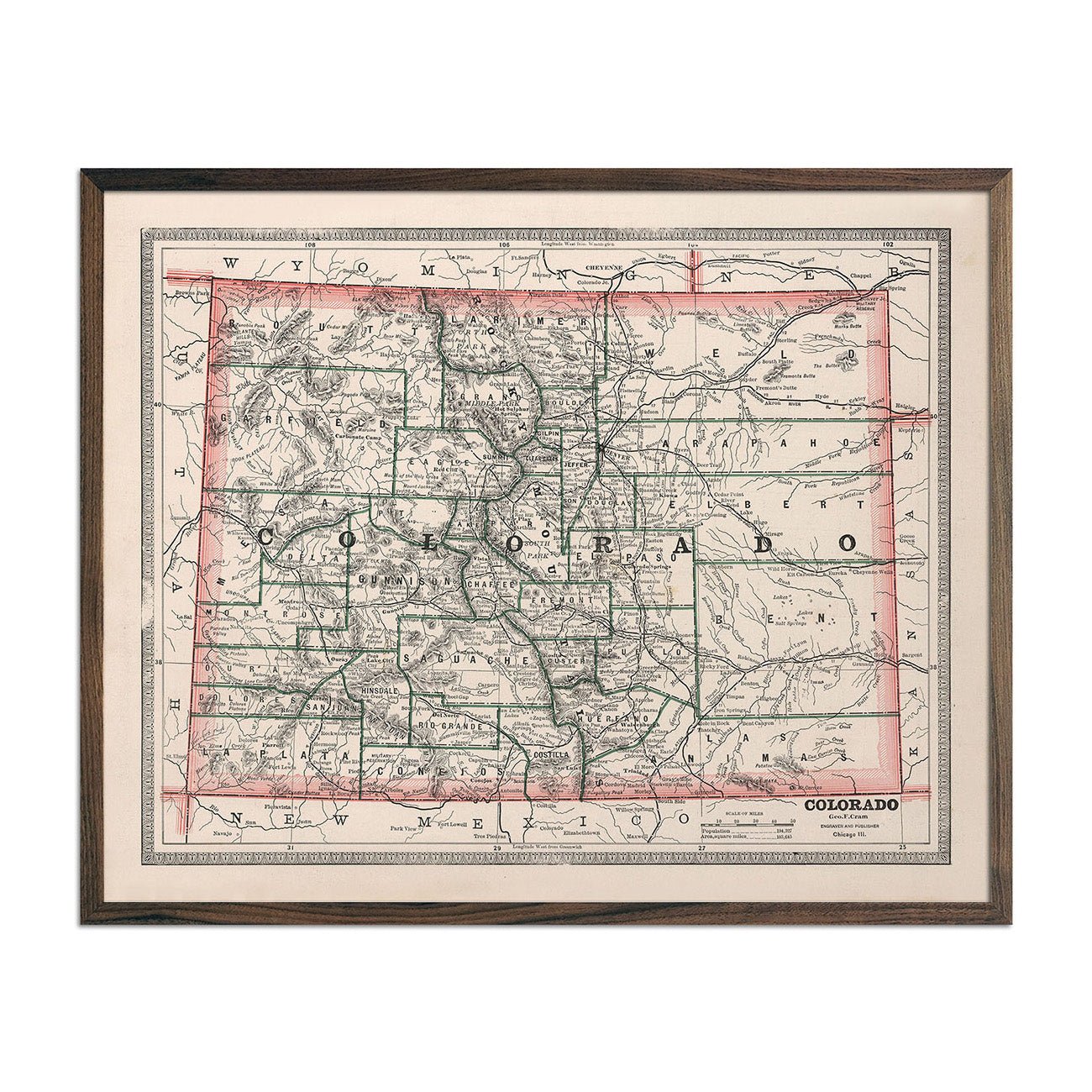
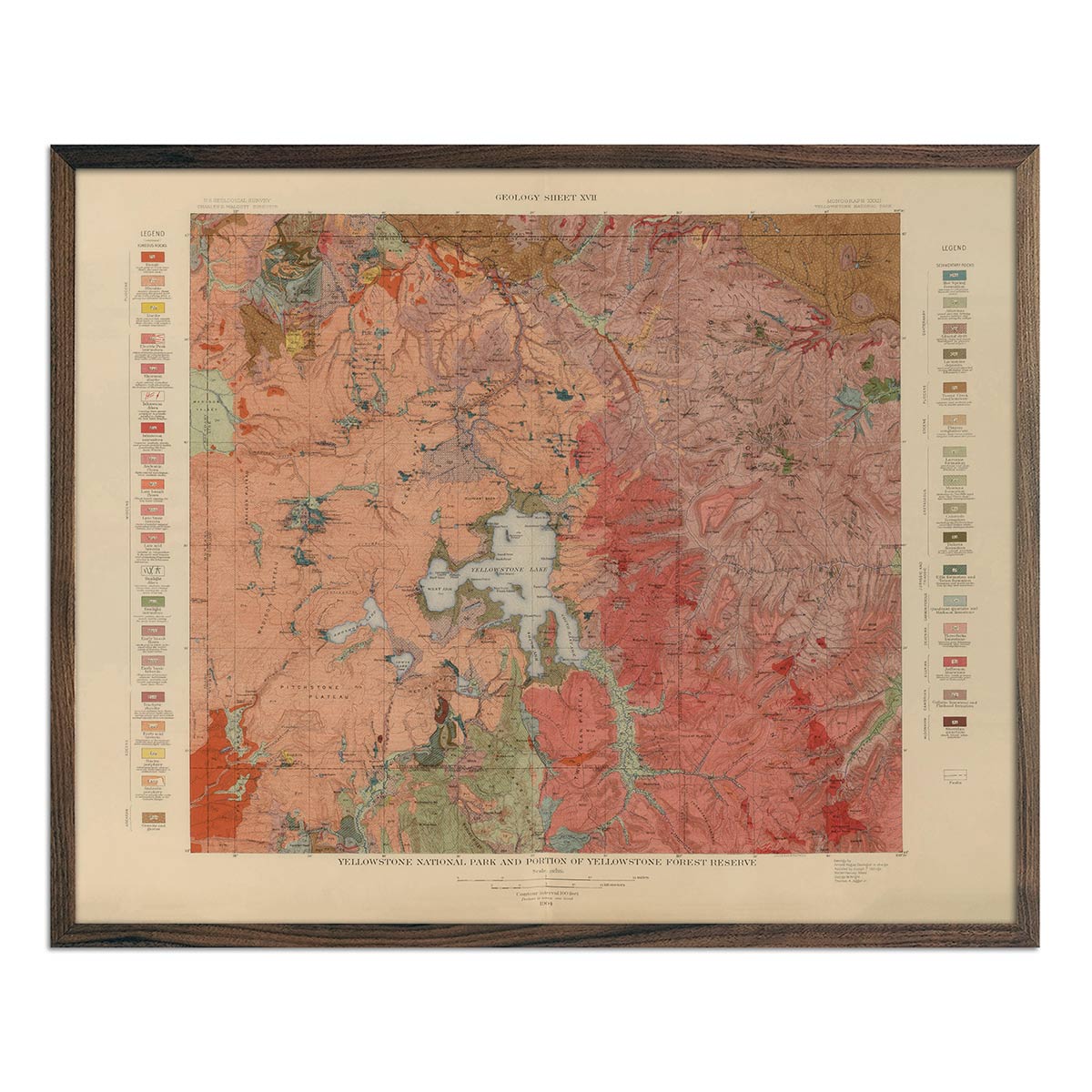


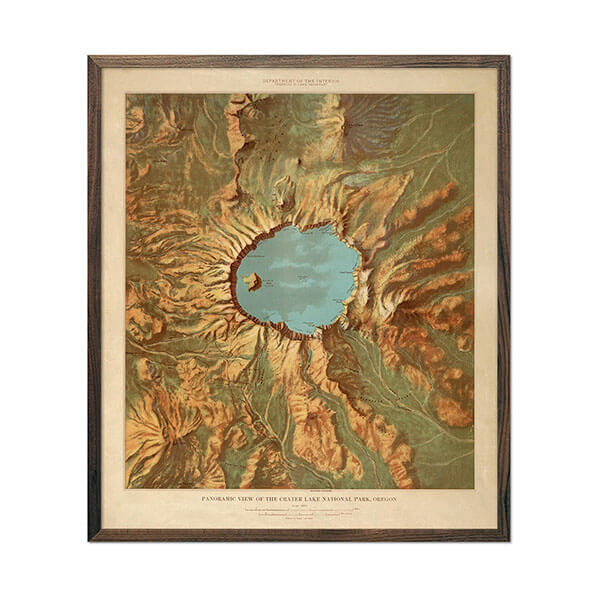
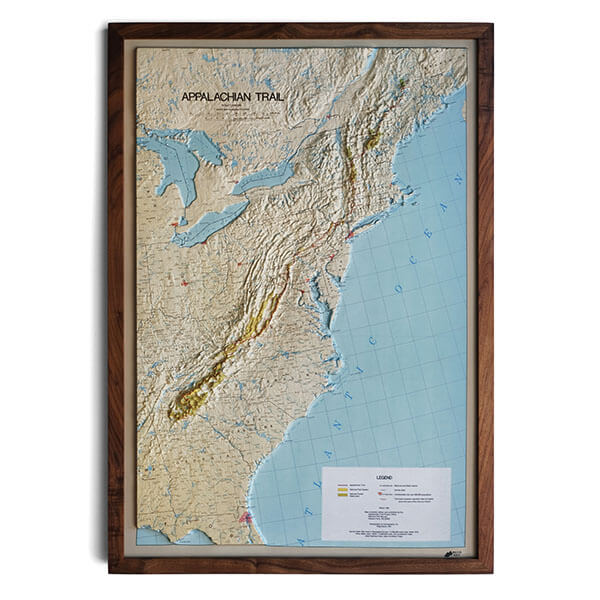
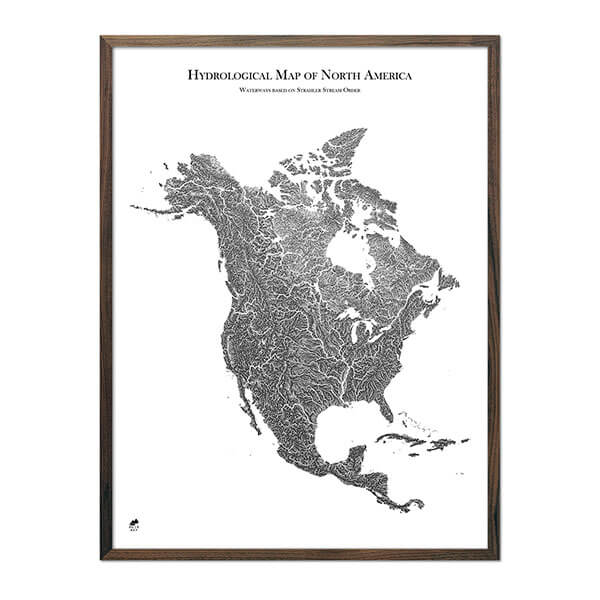


Shaded relief is one of the oldest and most effective techniques to give a perspective of a landscape in cartography. These maps use light and shadow to reveal the shape of the land, giving flat paper the appearance of three-dimensional terrain. First appearing in the 17th century, these maps remain some of the most visually striking.
Below, we'll explain what shaded relief maps are, how they're made, what sets them apart from other map types, and why they've become some of the most sought-after pieces of cartographic wall art.
What Is Shaded Relief?
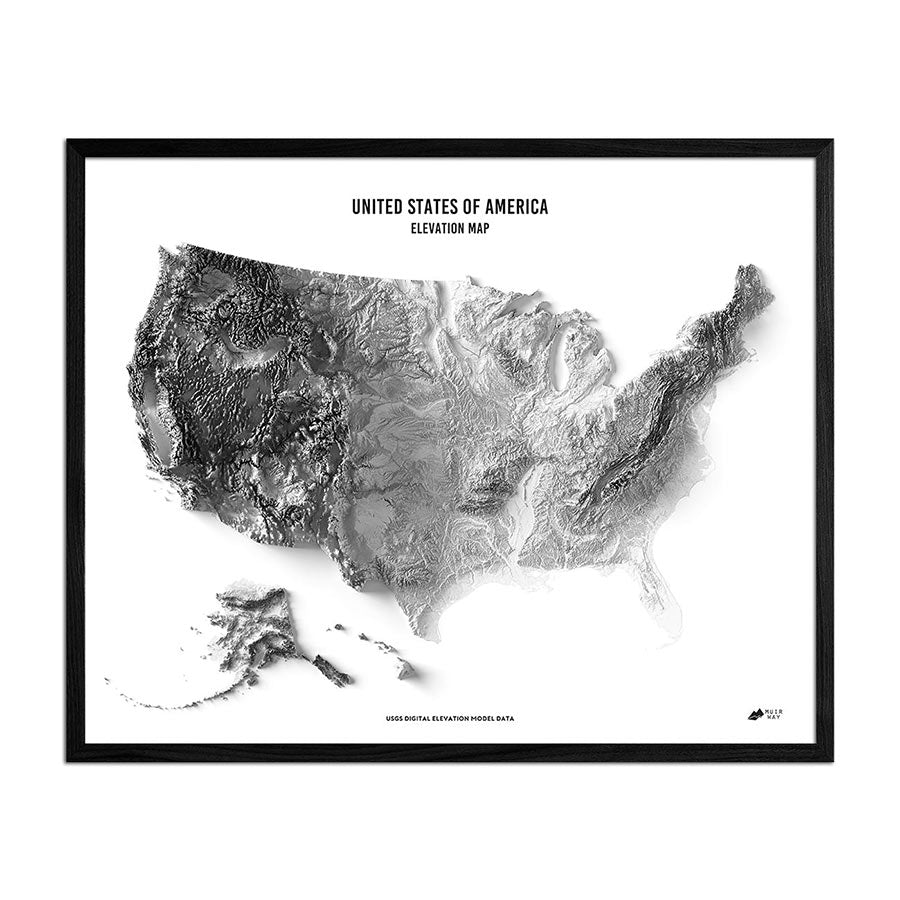
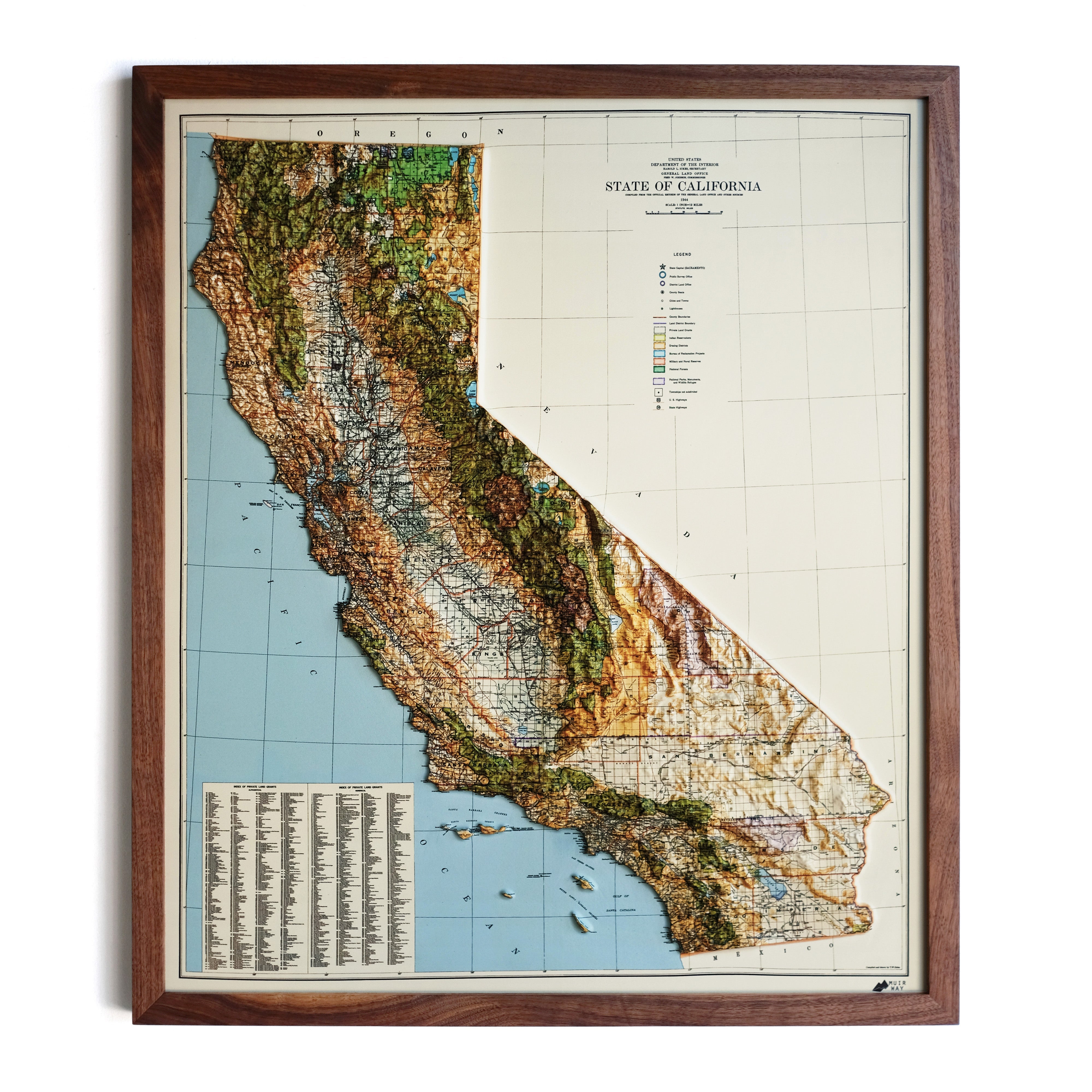
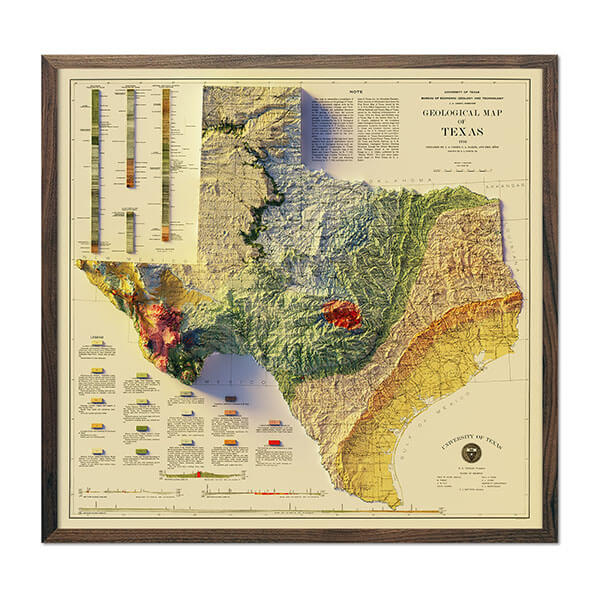
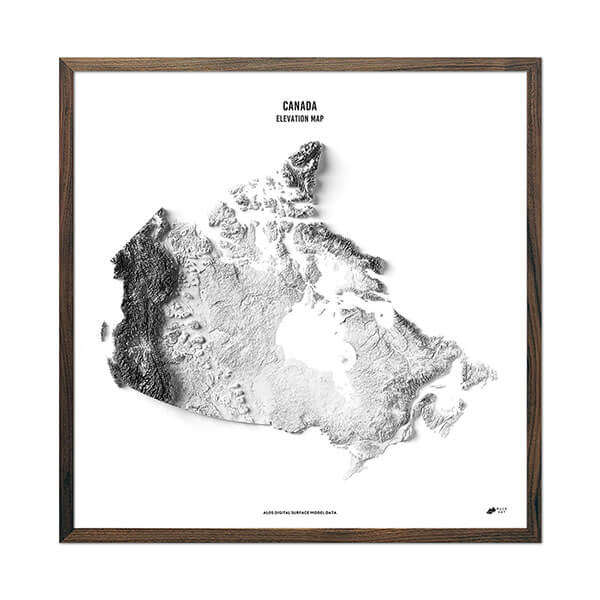
Shaded relief is a cartographic technique that simulates the effect of sunlight falling across terrain. By casting imaginary light from a consistent angle, typically from the upper left, cartographers create shadows on slopes that face away from the light and highlights on slopes that face toward it. The result is an intuitive, almost photographic sense of the landscape's shape.
Unlike contour lines, which require the viewer to interpret elevation from numbered rings, shaded relief communicates terrain instantly. A deep canyon looks like a deep canyon. A broad plateau reads as flat. A jagged mountain ridge appears sharp and imposing. The technique works because it mirrors the way we naturally perceive depth through light and shadow in the real world.
You'll also hear shaded relief referred to as hillshading, terrain shading, or relief shading — all describing the same fundamental approach.
How Shaded Relief Maps Are Created
Historically, shaded relief was drawn entirely by hand. Cartographers like Eduard Imhof and Hal Shelton spent weeks, sometimes months, painting terrain with airbrushes and fine brushwork, studying how light falls across mountain ranges and valleys. Imhof's work at the Swiss Federal Institute of Technology set the standard for the art form in the mid-20th century, and his hand-painted Swiss alpine maps are still considered masterpieces of cartographic design.
Today, most shaded relief is generated digitally using Digital Elevation Models (DEMs), gridded datasets where each cell contains an elevation value. These datasets come from sources like the USGS National Elevation Dataset, NASA's Shuttle Radar Topography Mission (SRTM), and modern LiDAR surveys.
Software processes the elevation grid by calculating how a simulated light source would illuminate each cell based on its slope and aspect (the direction the slope faces). Cells angled toward the light receive bright values; cells angled away receive dark values. The output is a grayscale image that, when layered beneath other map information - roads, labels, boundaries, produces the shaded relief effect.
The quality of a shaded relief map depends on more than raw data, though. Cartographers make deliberate decisions about light angle, vertical exaggeration (amplifying elevation differences so subtle terrain becomes visible), and color treatment. These choices determine whether a map feels flat and clinical or alive and dimensional.
Resolution matters too. A DEM with 30-meter spacing will capture major ridgelines and valleys but smooth over smaller features. A 1-meter LiDAR dataset reveals individual rock outcroppings and stream channels. The finest shaded relief maps balance resolution with artistic restraint, showing enough detail to be accurate without overwhelming the viewer.
Shaded Relief vs. Topographic Contour Maps
Both shaded relief maps and topographic contour maps represent terrain, but they do it in fundamentally different ways.
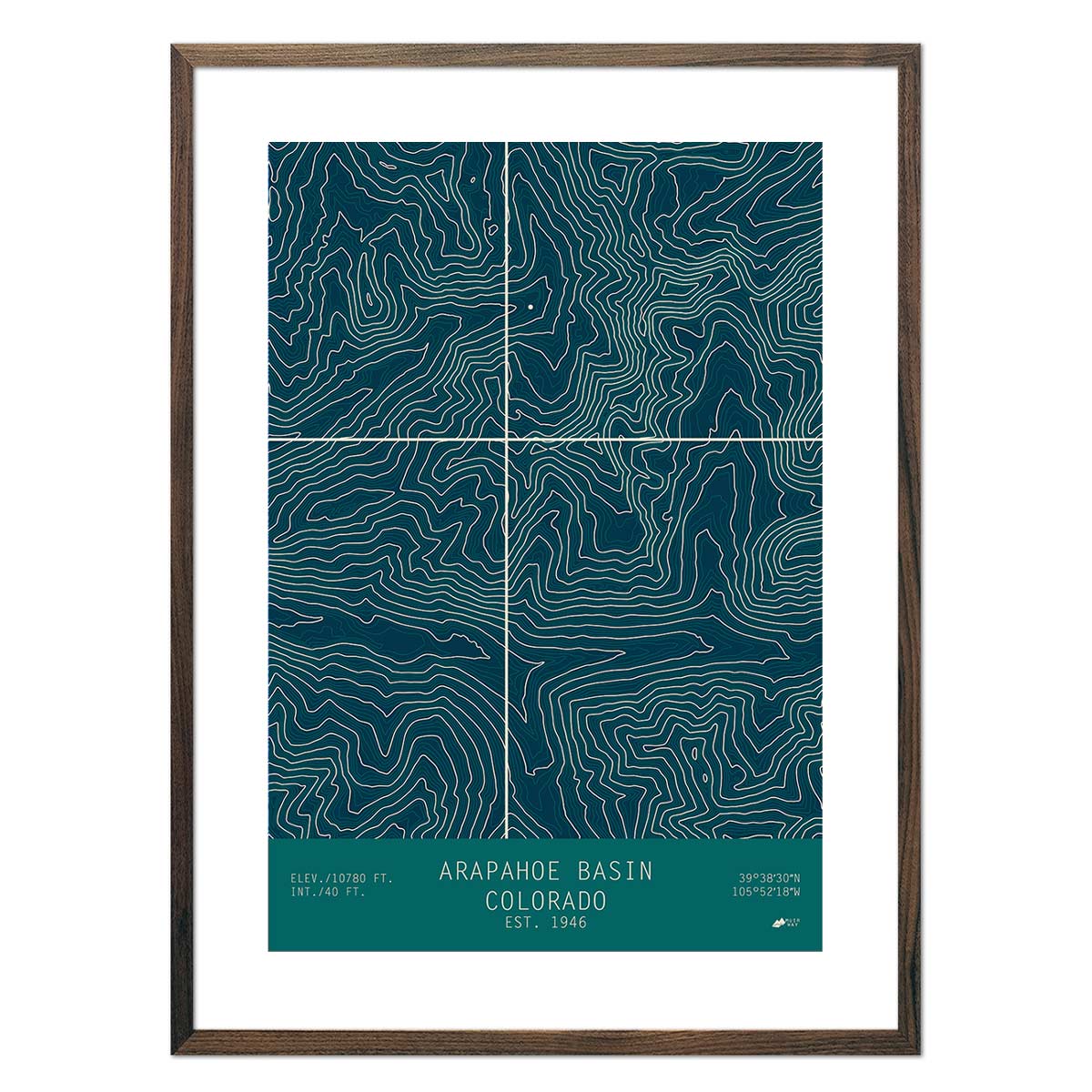
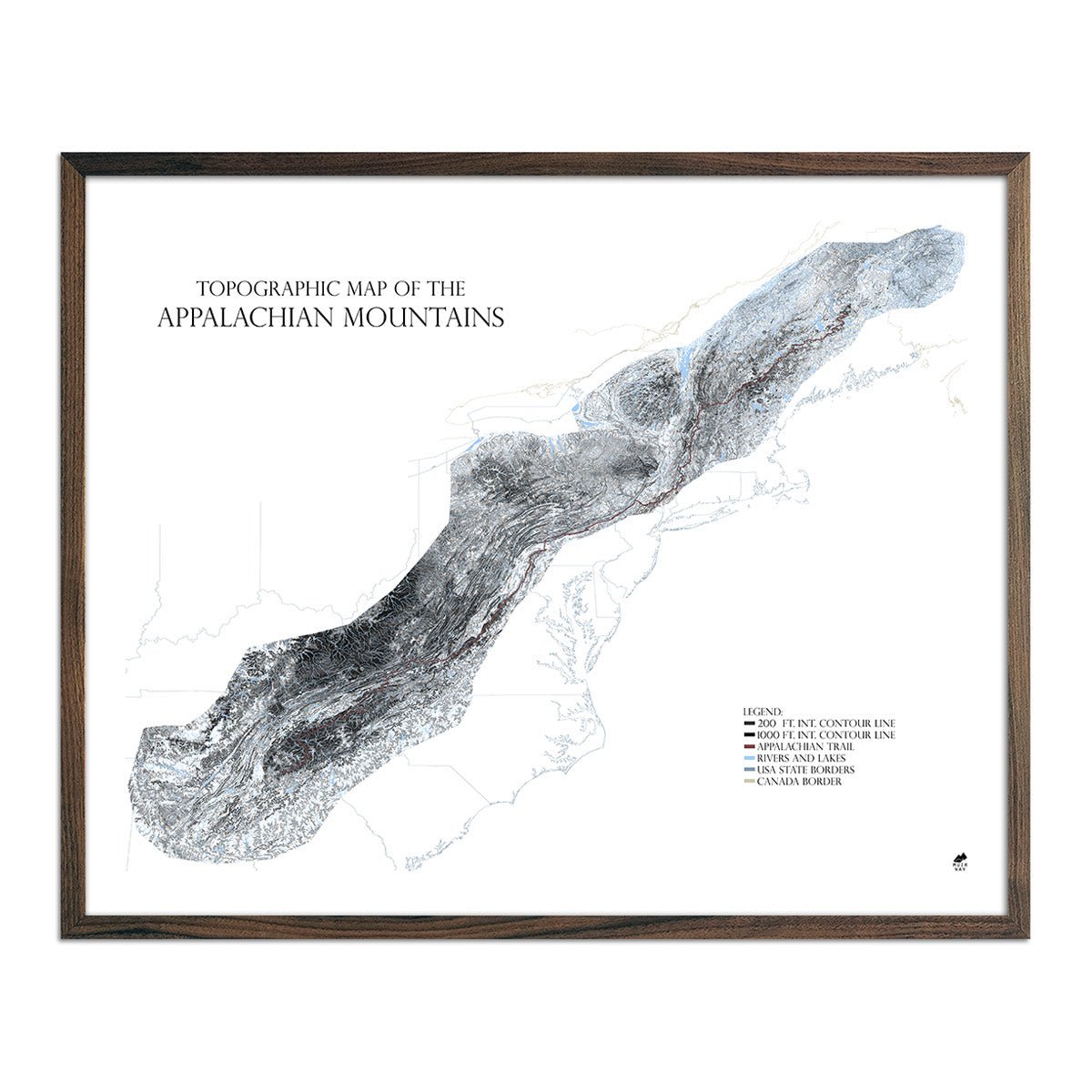
Topographic contour maps use lines of equal elevation, contour lines, to describe the shape of the land. Each line represents a specific height above sea level, and the spacing between lines indicates steepness. They're precise and measurable: a hiker can read exact elevations and calculate slope angles. But interpreting contour maps takes practice. The terrain isn't visually obvious at a glance.
Shaded relief maps sacrifice that numerical precision for immediate visual clarity. You can't read a specific elevation from a shaded relief image, but you can instantly understand the character of the landscape, where the mountains are, how the valleys carve through them, where the terrain flattens into plains.
Many modern maps combine both techniques, overlaying contour lines on top of shaded relief to get the best of both worlds. The USGS topographic map series, for example, often pairs contour data with subtle hillshading to improve readability.

Why Shaded Relief Maps Make Compelling Wall Art
Shaded relief maps occupy a rare intersection of science and aesthetics. They're built on precise geospatial data, but the visual result is something closer to landscape art. The interplay of light and shadow across mountain ranges creates compositions that are inherently dramatic, no artistic embellishment needed. The terrain itself provides the visual interest.
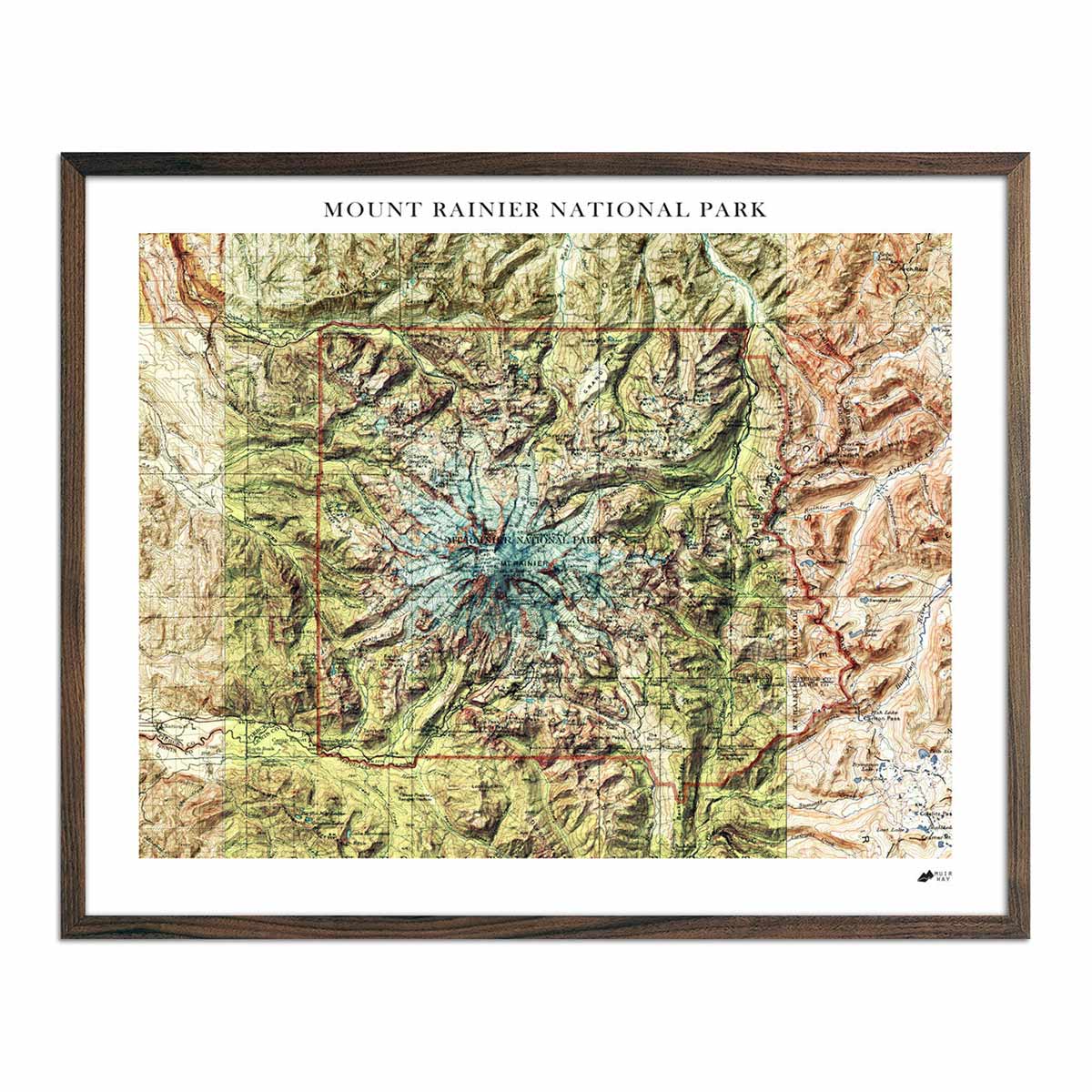
This is why shaded relief maps have become increasingly popular as wall art, particularly among people who appreciate both geography and design. A shaded relief map of a favorite mountain range or national park isn't just decoration, it's a detailed, accurate representation of a real place rendered in a way that reveals its structure and beauty. Hang one in your living room and guests will find themselves tracing ridgelines and identifying peaks. It invites the kind of slow, attentive looking that flat maps rarely do.
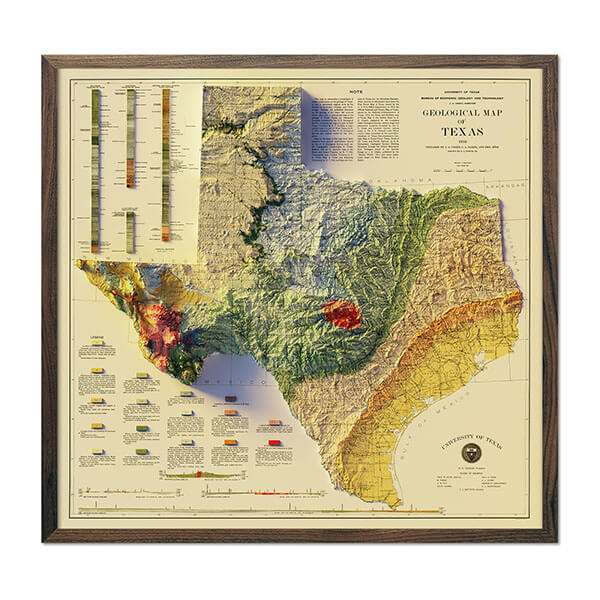
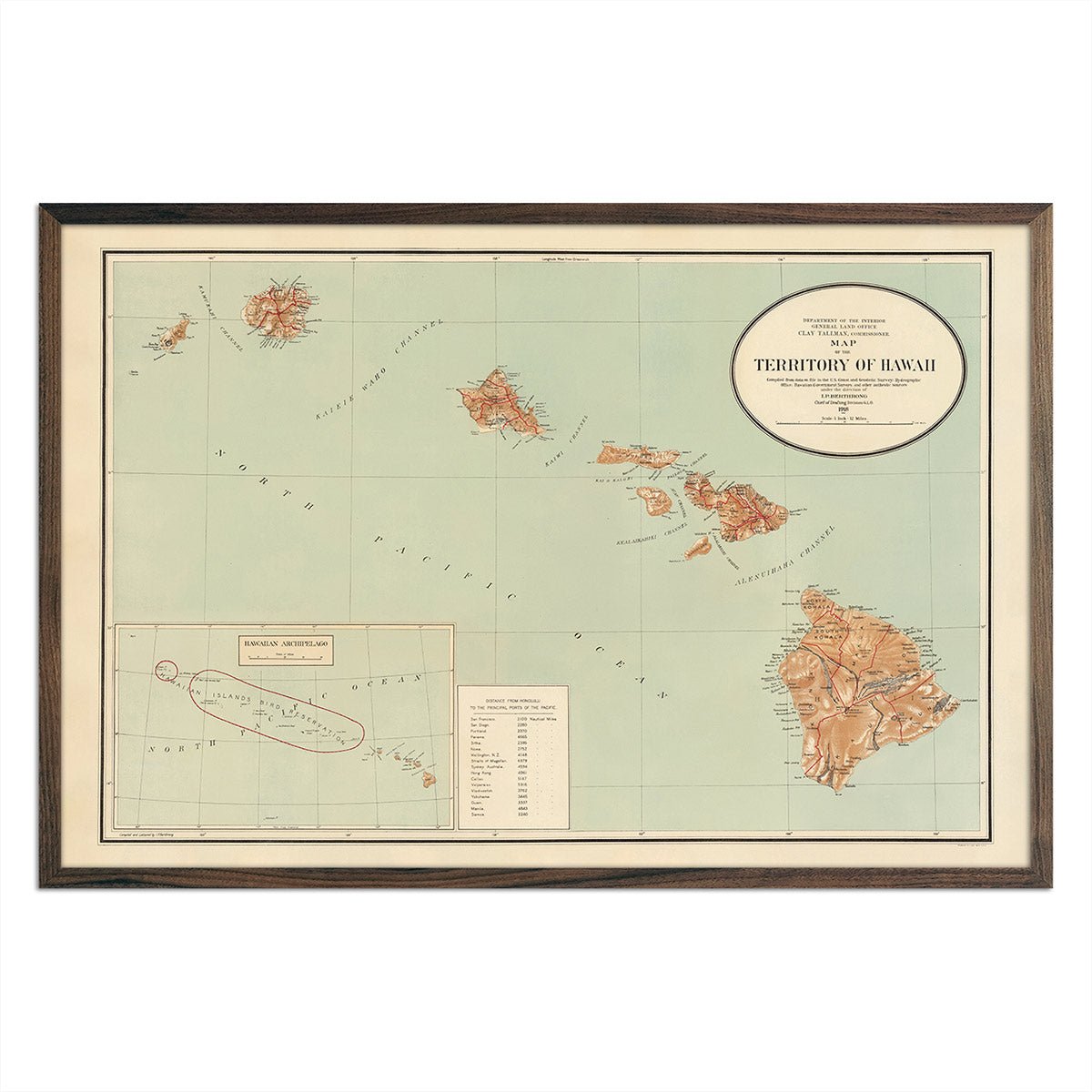
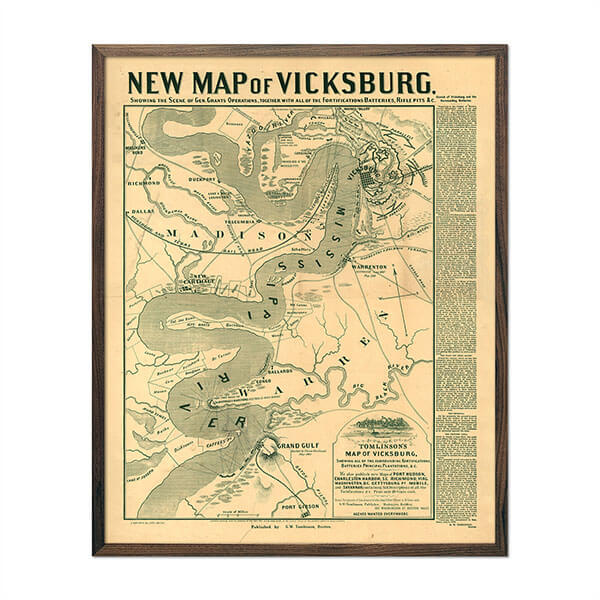
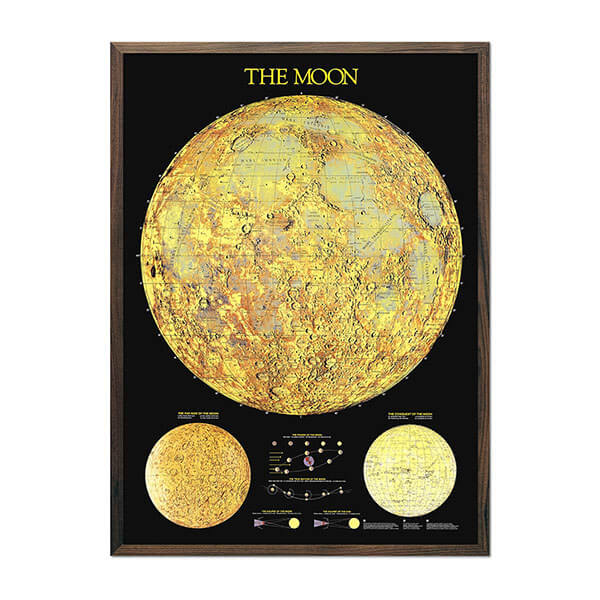
At Muir Way, we create shaded relief maps by applying Digital Elevation Data to historical map base layers, meticulously adding terrain shading that gives the map the illusion of three-dimensional depth. The shading is printed directly on the paper, not the result of the surface physically protruding. The combination of vintage cartographic detail with modern elevation rendering produces maps that reward close study. You'll notice ridgelines, drainage patterns, and landforms that aren't visible on standard flat maps.
Explore Muir Way's Shaded Relief Collection
If you're drawn to the way shaded relief reveals the shape of the land, explore Muir Way's map collections:
- Vintage Shaded Relief Maps Historical maps enhanced with digital elevation shading to reveal terrain in stunning detail. Our largest collection of shaded relief cartography.
-
Custom Shaded Relief Maps Turn any location into a custom USGS topographic map with shaded relief and personalized text and icons.
- Shaded Relief Series Purpose-built shaded relief maps focused on dramatic mountain landscapes and iconic terrain.
- 3D Raised Relief Maps (Not shaded relief maps) - For those who want terrain you can actually feel. These maps are thermoformed over 3D molds so the mountains physically rise from the surface.
Want to understand the broader world of relief cartography? Read our companion article: All About Relief Maps.